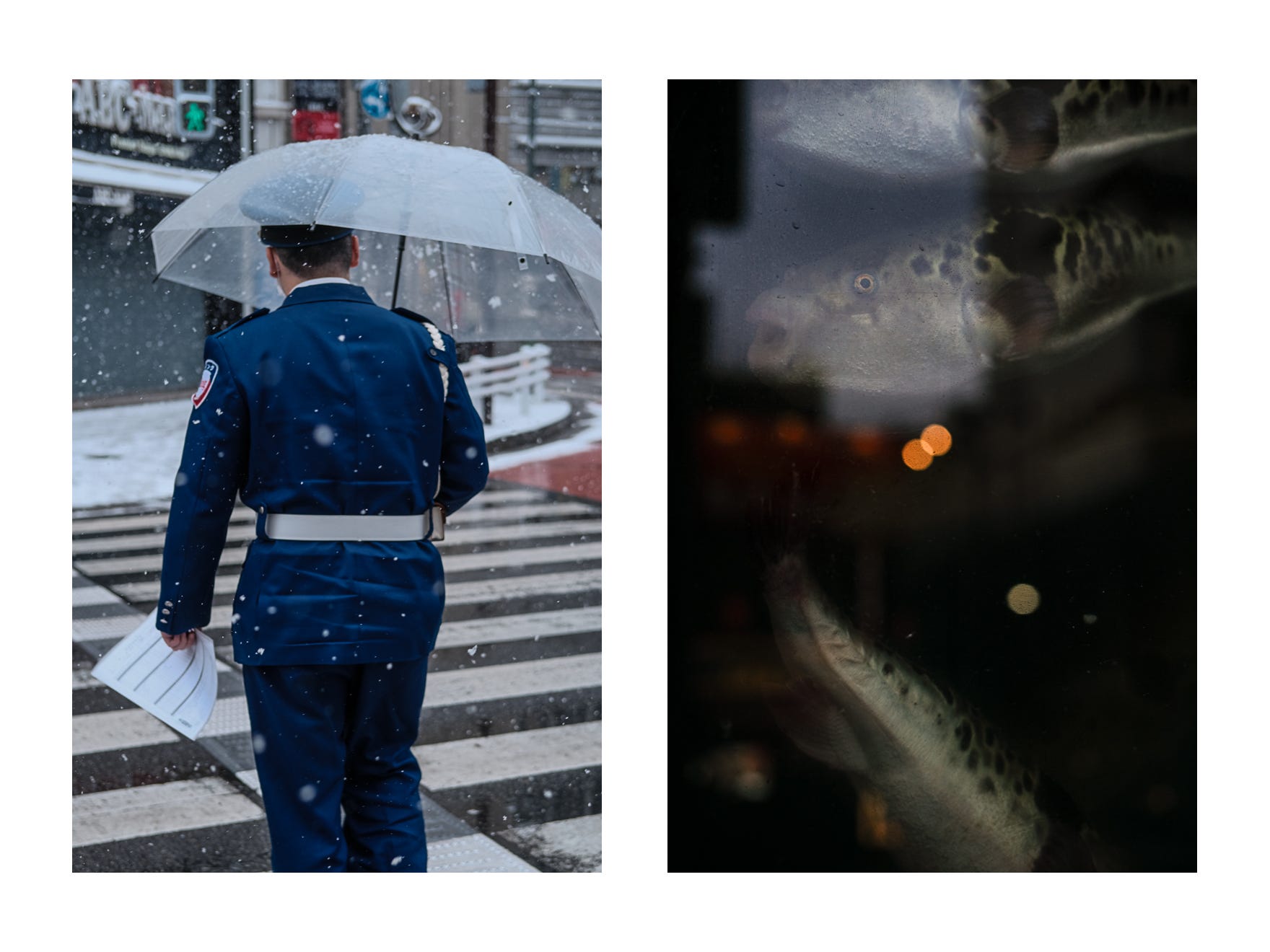
I arrived in Tokyo about a week ago to hold an exhibition, and inevitably, I’ve been spending a lot of time in Shinjuku. It’s impossible not to feel the weight of its photographic history. This is not just a district but almost a mythology, in the Lévy-Strauss and Barthes sense of the word.
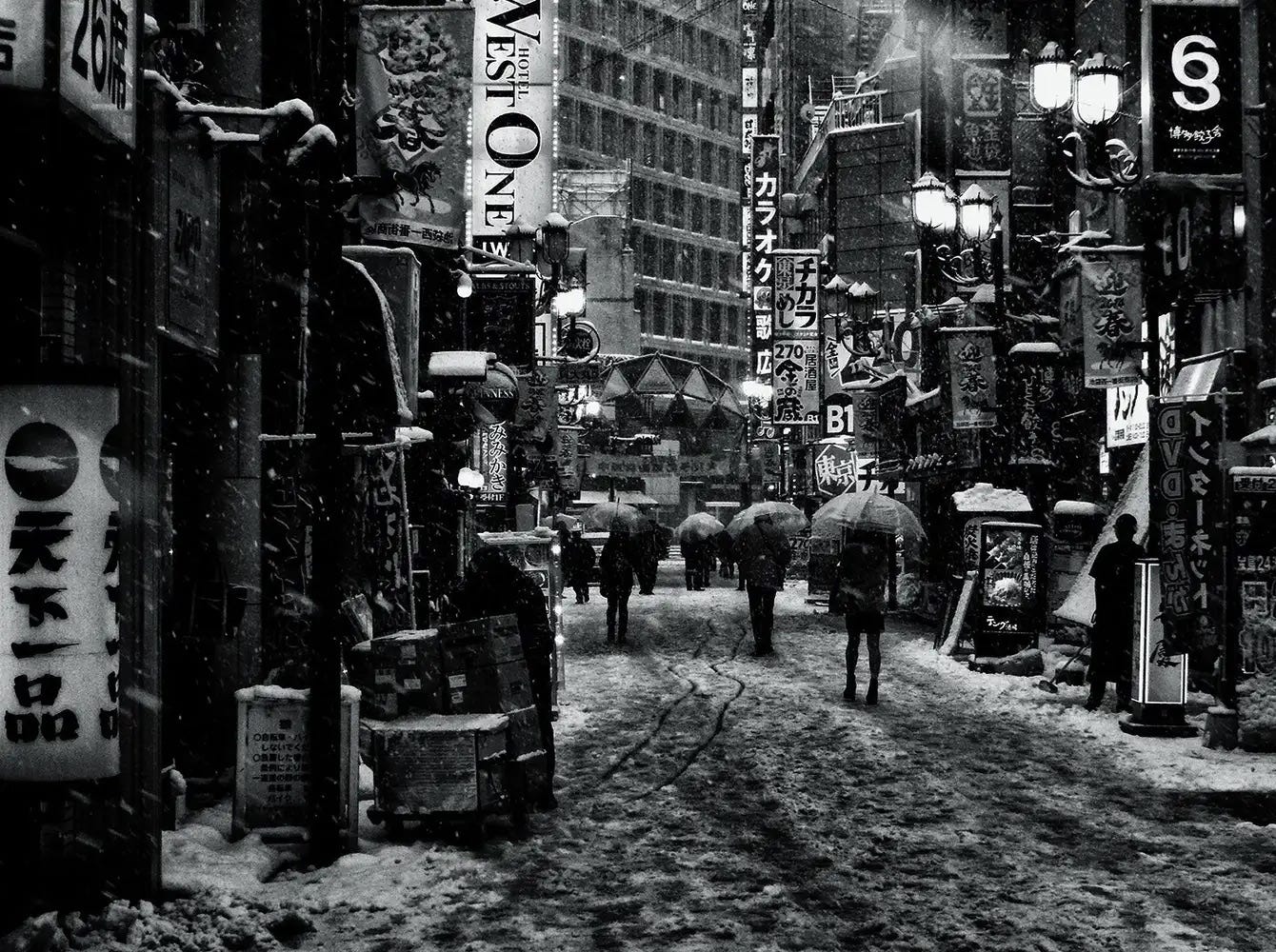
I usually work as a borderline street photographer, but with a clearly defined conceptual core that guides how I shoot, edit, and eventually construct a body of work. I came to Japan without that. I told myself I would simply respond or find one on the way as anything preconceived felt just that. But for the first few days, I felt paralysed. It was pointless even to try.
Meeting great and motivated local photographers, seeing their work shifted something. Their relationship to this place is sustained and obsessive. I realised that whatever I might try to “say” here right now would risk being “aesthetic tourism.” Worse, it would carry a certain overconfidence, even arrogance, to arrive with expectations of producing something meaningful in a place that others have been in dialogue with for decades. That kind of entitlement might be comfortable for YouTube photography culture, where immediacy and output are currency, but it does not sit well with me.
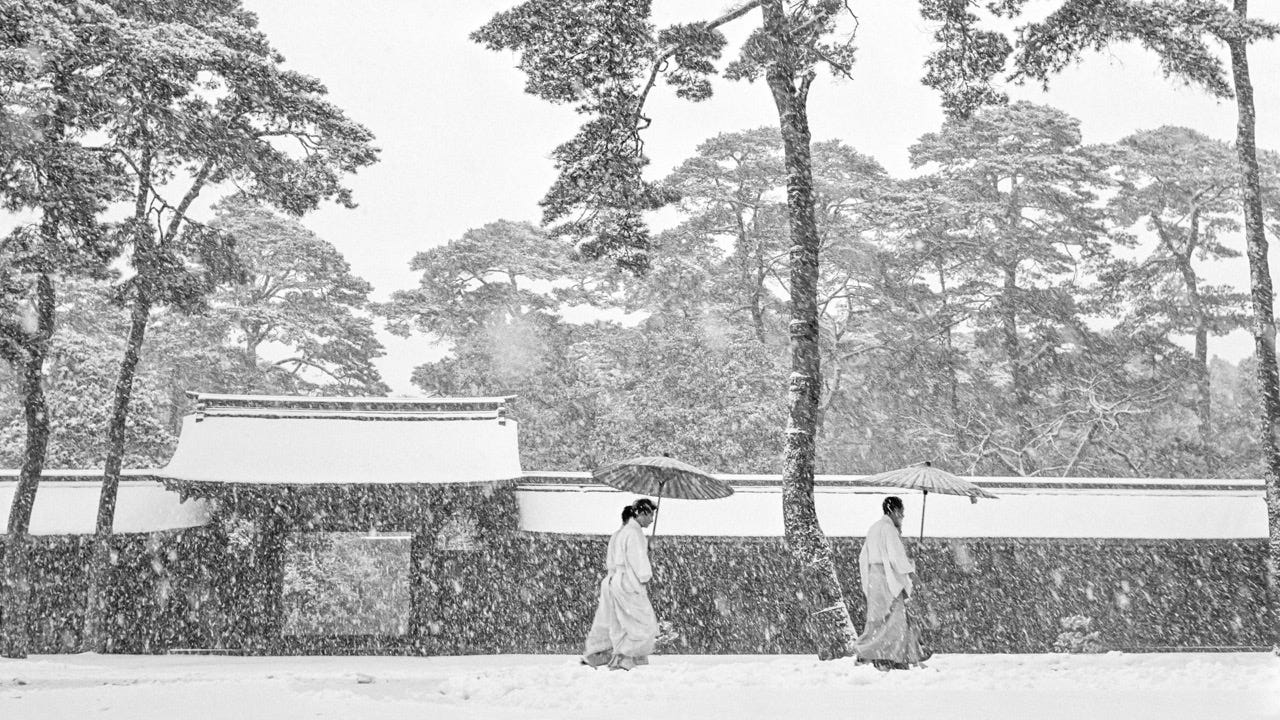
Let’s replace “Is this good? Beautiful? Interesting?” with “Do I need to take this?” In Shinjuku, my answer is a resounding “no.” Not out of insecurity, but out of honesty in recognising when you are still listening rather than speaking.
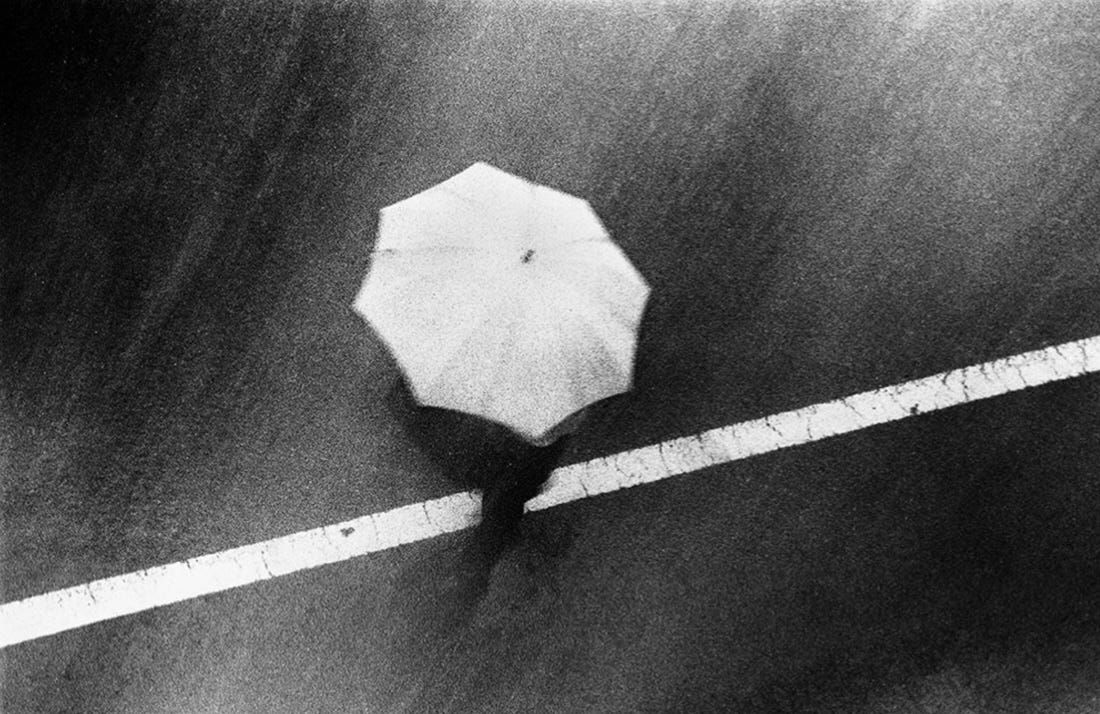
So I stopped trying to produce. I walk all day, observing and trying to take it all in, and visit all the galleries and great photobook stores I can find in one of the world’s photography capitals. I allow myself to be influenced without pretending I have transcended it. Sometimes the most radical gesture is to accept silence and trust that whatever is truly ours will surface later, when it becomes unavoidable.
…if anything, this (perceived) failure has just reinforced my trust in my practice.
Andras Ikladi
Tokyo
2026.02.23