Andras Ikladi
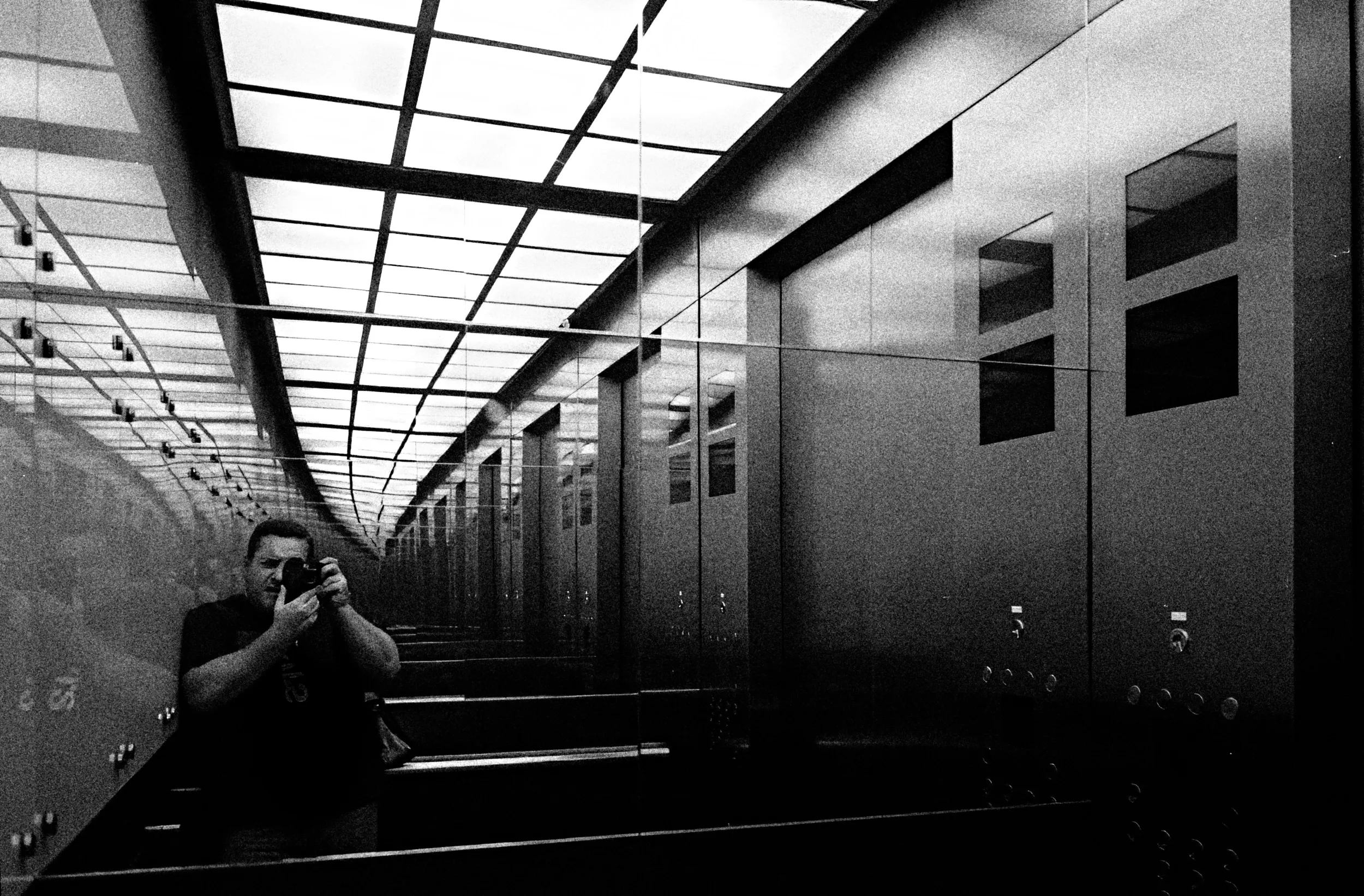
I was born in Hungary in 1978. Before committing to photography full-time in 2022, I spent more than two decades in visual effects on international film productions. The work took me around the world and taught me to understand images as constructions: how fragments gather force through timing, context and continuity. It also clarified what I was missing—the responsibility of carrying a work from first encounter to final form. I now live and work between Yantai, China, and Szentes, Hungary.
Photography begins for me with being present in the world. I walk, return, wait, and let a place become familiar before I understand what it may ask of me. I photograph what I encounter, but the larger meaning does not arrive at the moment of exposure. It develops later, through editing, pairing, omission and the memory one image carries into the next. This is why I think in bodies of work rather than isolated pictures.
Each project asks for a different visual language. BLACKOUT works with nocturnal traces from a night I cannot remember; Citramarine answers the colour and physical intensity of subtropical light; Jamais Vu brings two ordinary scenes together until familiarity becomes unstable. These differences are deliberate. I am less interested in maintaining a recognisable style than in finding the form each subject requires.
The photobook is my primary medium because it lets me compose the encounter: images, text, scale, pace, paper, page turns and silence. I work slowly, moving between fieldwork, editing, writing and book dummies until the material settles into its final shape. Restraint matters within that process. During an exhibition stay in Tokyo, I found that walking and listening were more honest than trying to manufacture a new body of work. Sometimes choosing not to photograph is part of earning the work. The finished book should guide a reader without closing the space in which their own connections can form.