The Floating World
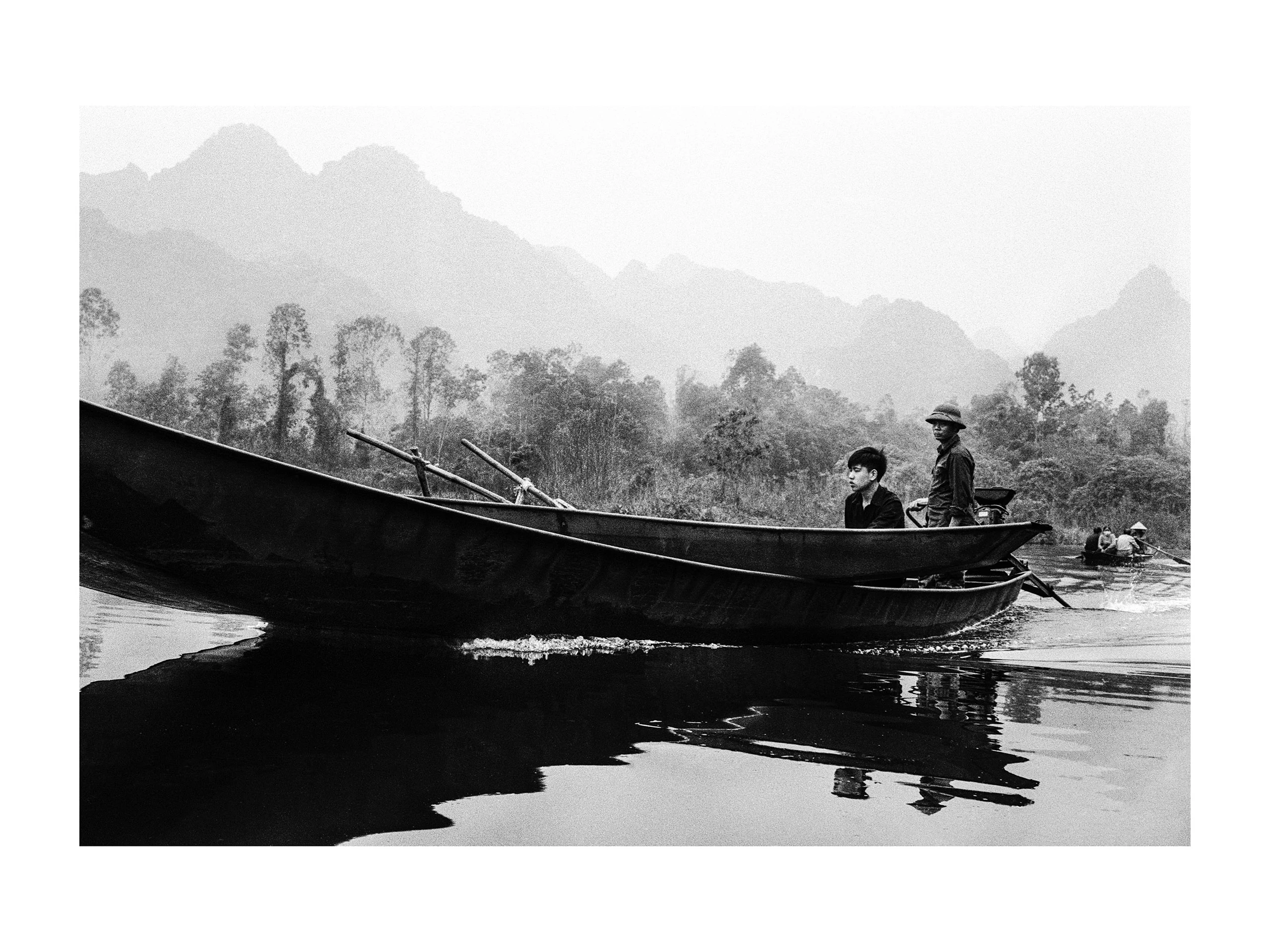
“Living only for the moment, turning our full attention to the pleasures of the moon, the snow, the cherry blossoms and the maples, singing songs, drinking wine and diverting ourselves in just floating, floating; caring not a whit for the poverty staring us in the face, refusing to be disheartened, like a gourd floating along with the river current: this is what we call ukiyo.” — Asai Ryoi, Tales of the Floating World
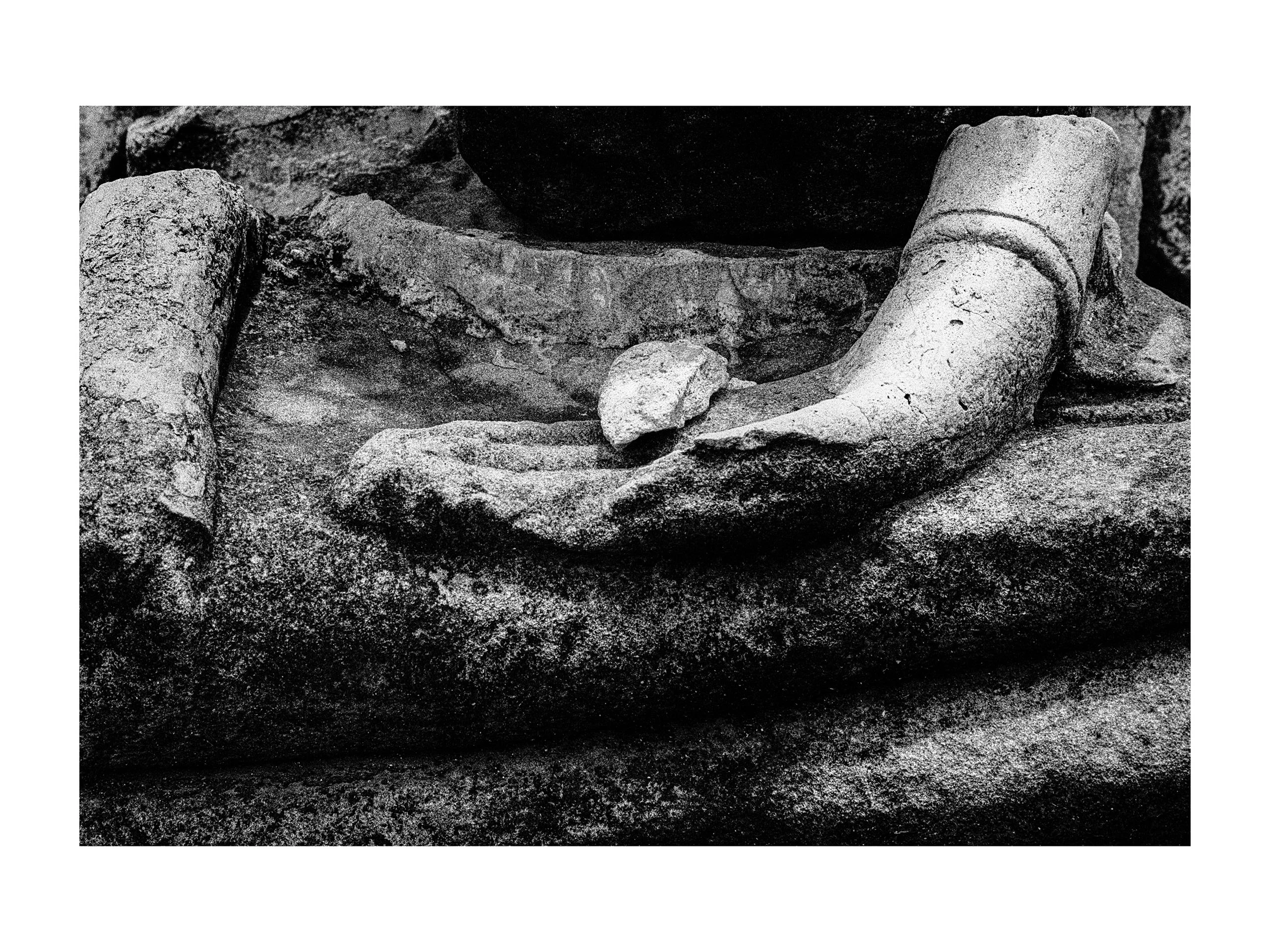
The word ukiyo carries two histories in its sound. Originally written to mean “sorrowful world,” it reflected the Buddhist view of life as suffering and impermanence. Later, in Edo-period Japan, the same sound was rewritten to mean “floating world,” celebrating fleeting pleasures, cherry blossoms, and revelry. I’ve come to believe both meanings belong together, that joy and sorrow are inseparable in every passing moment.
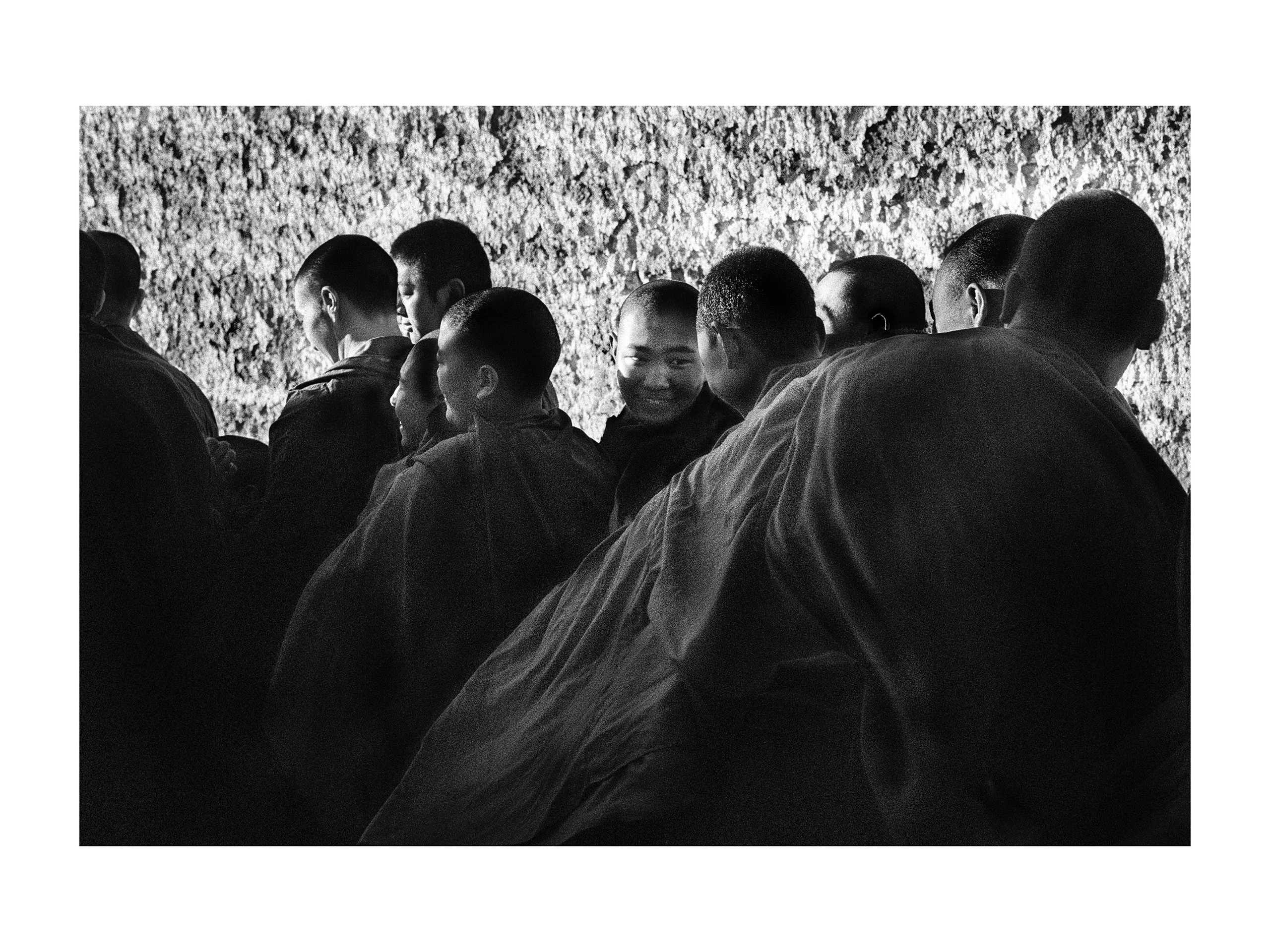
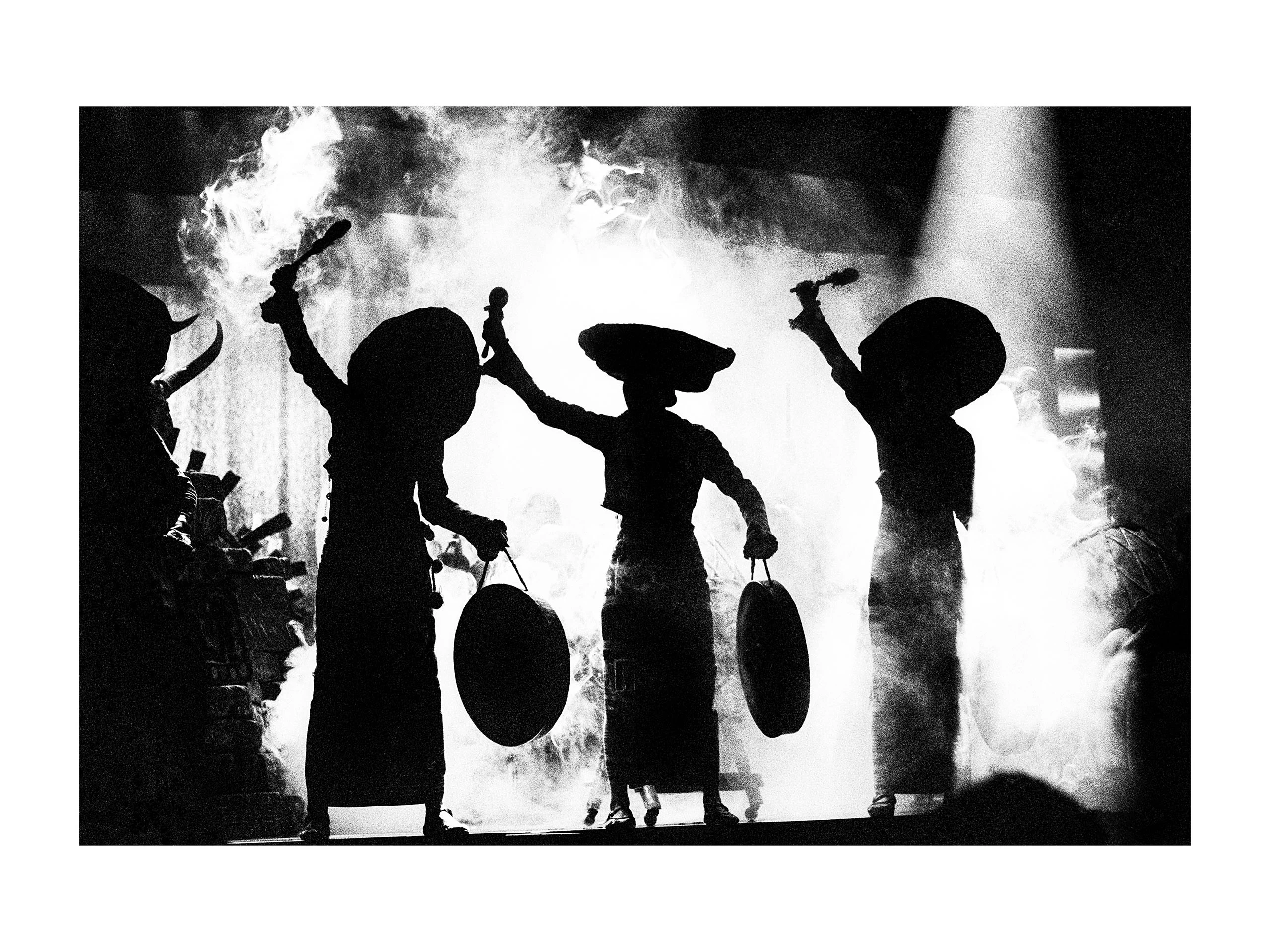
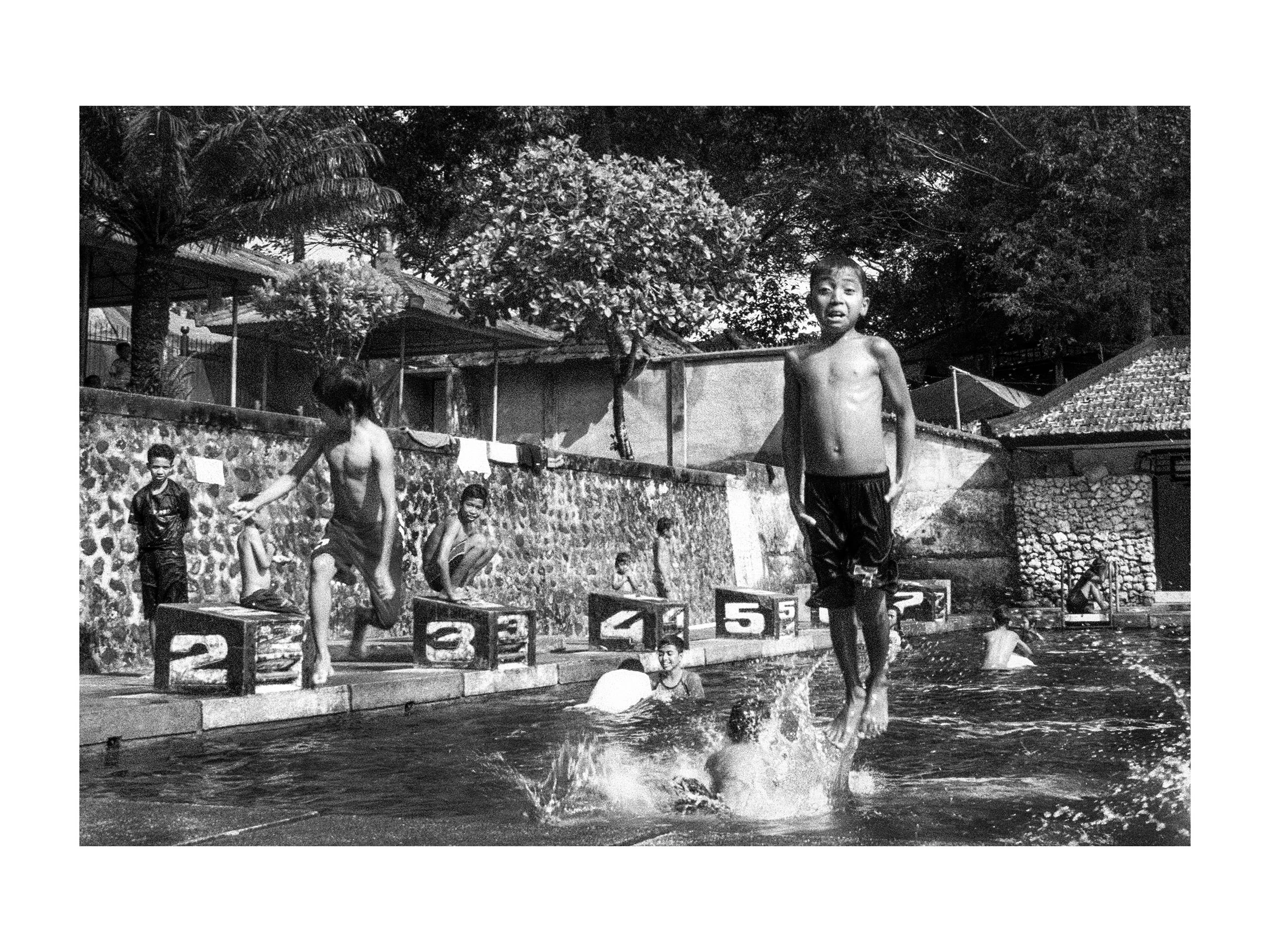
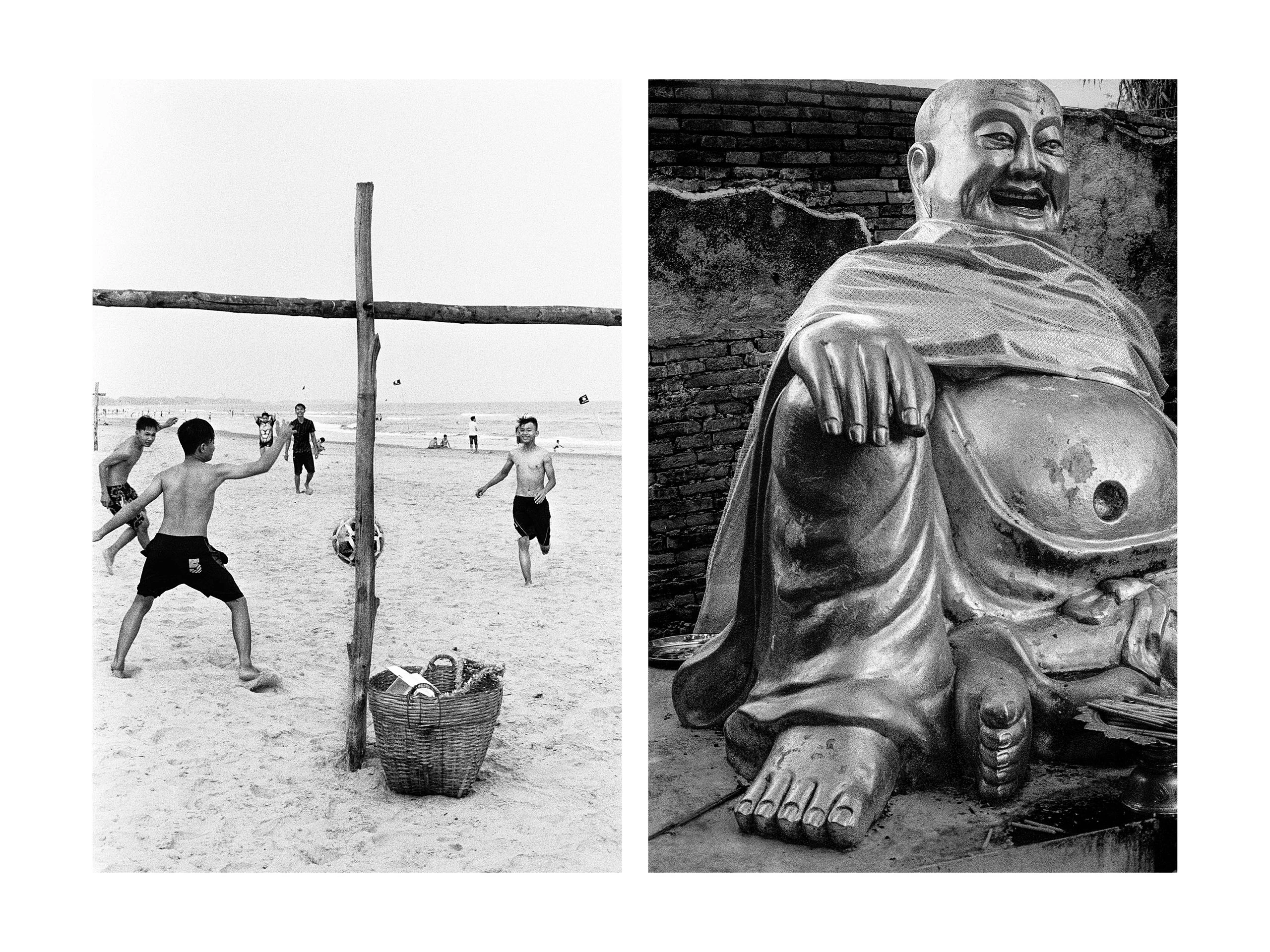
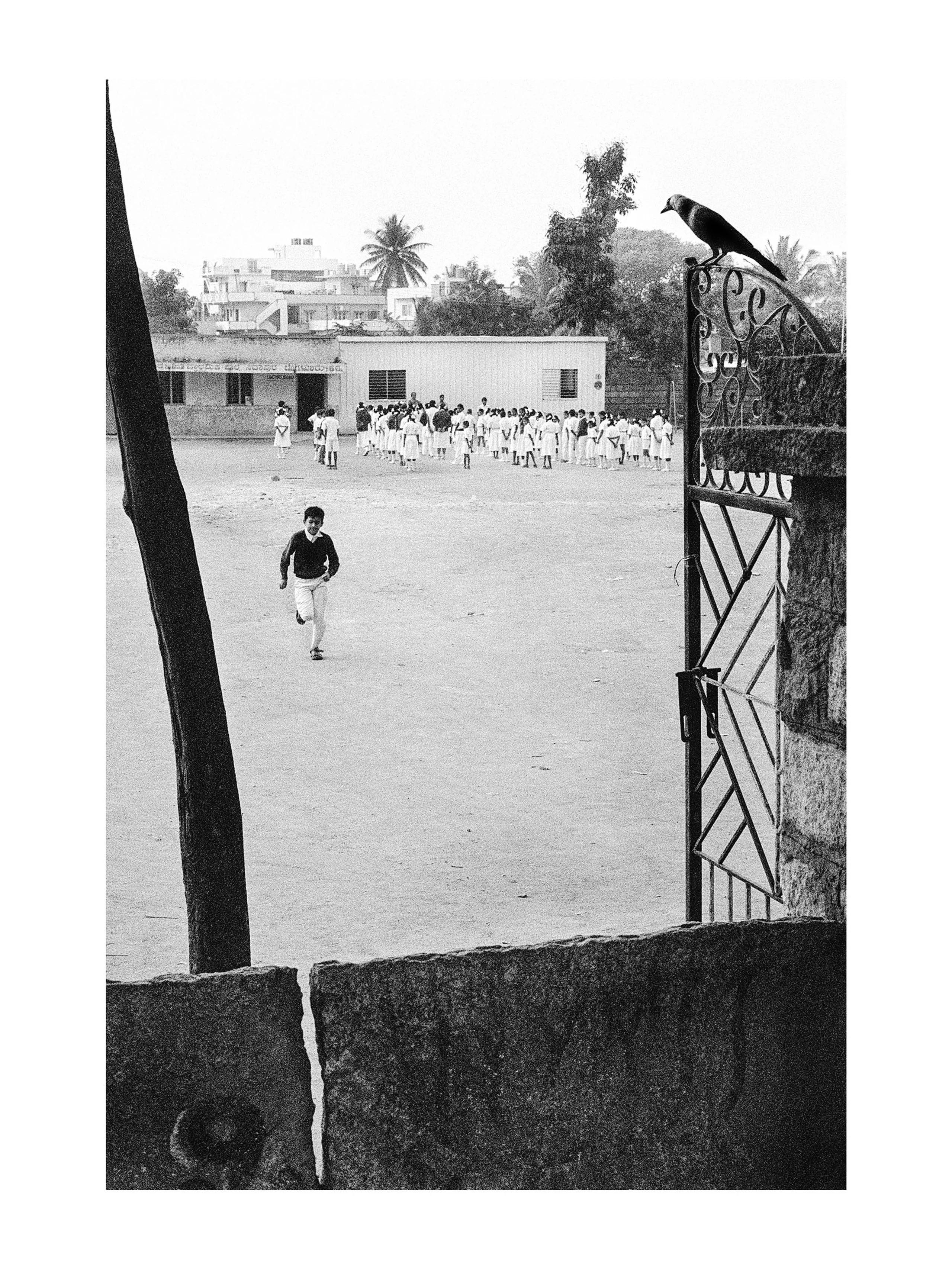
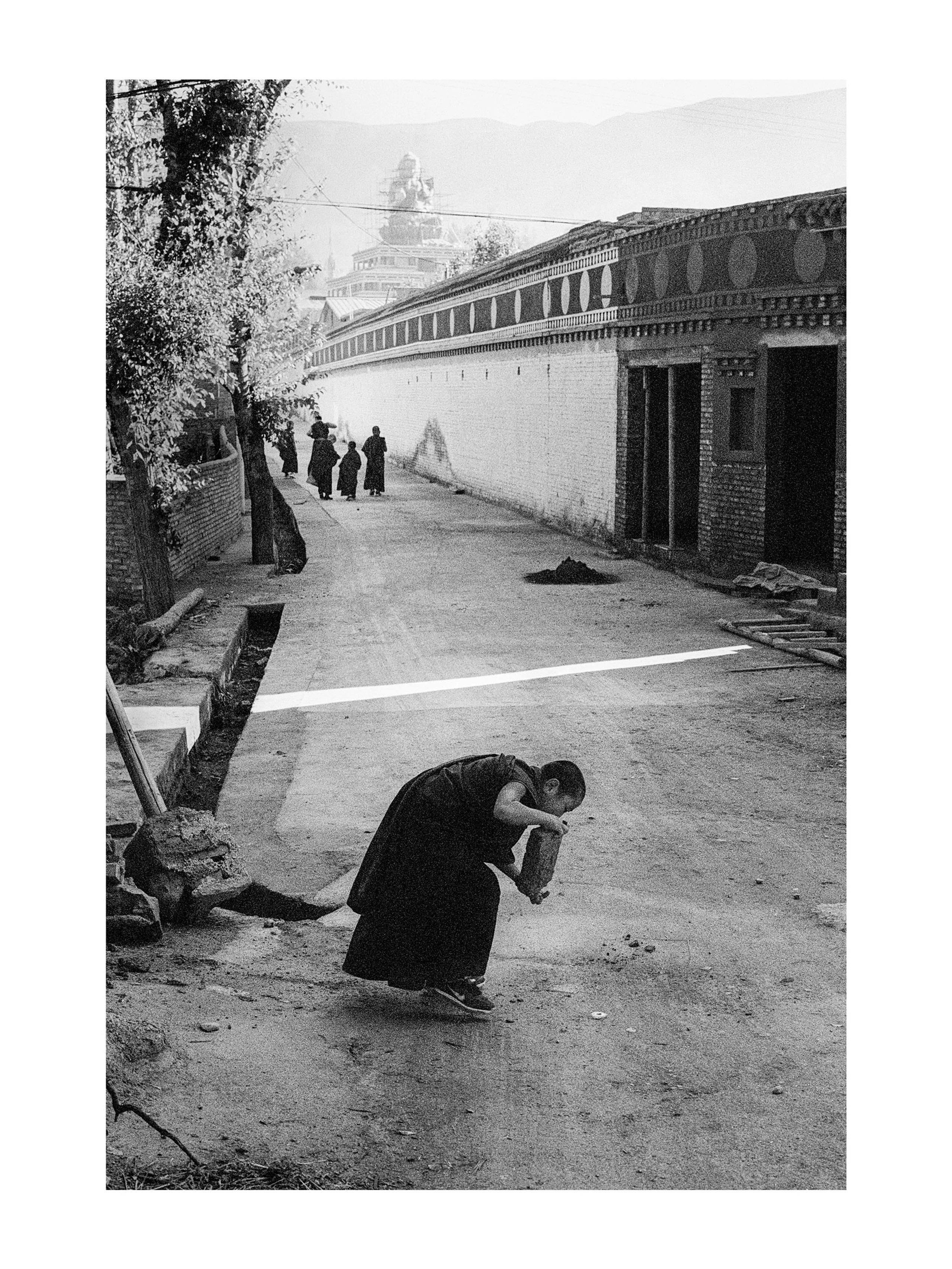
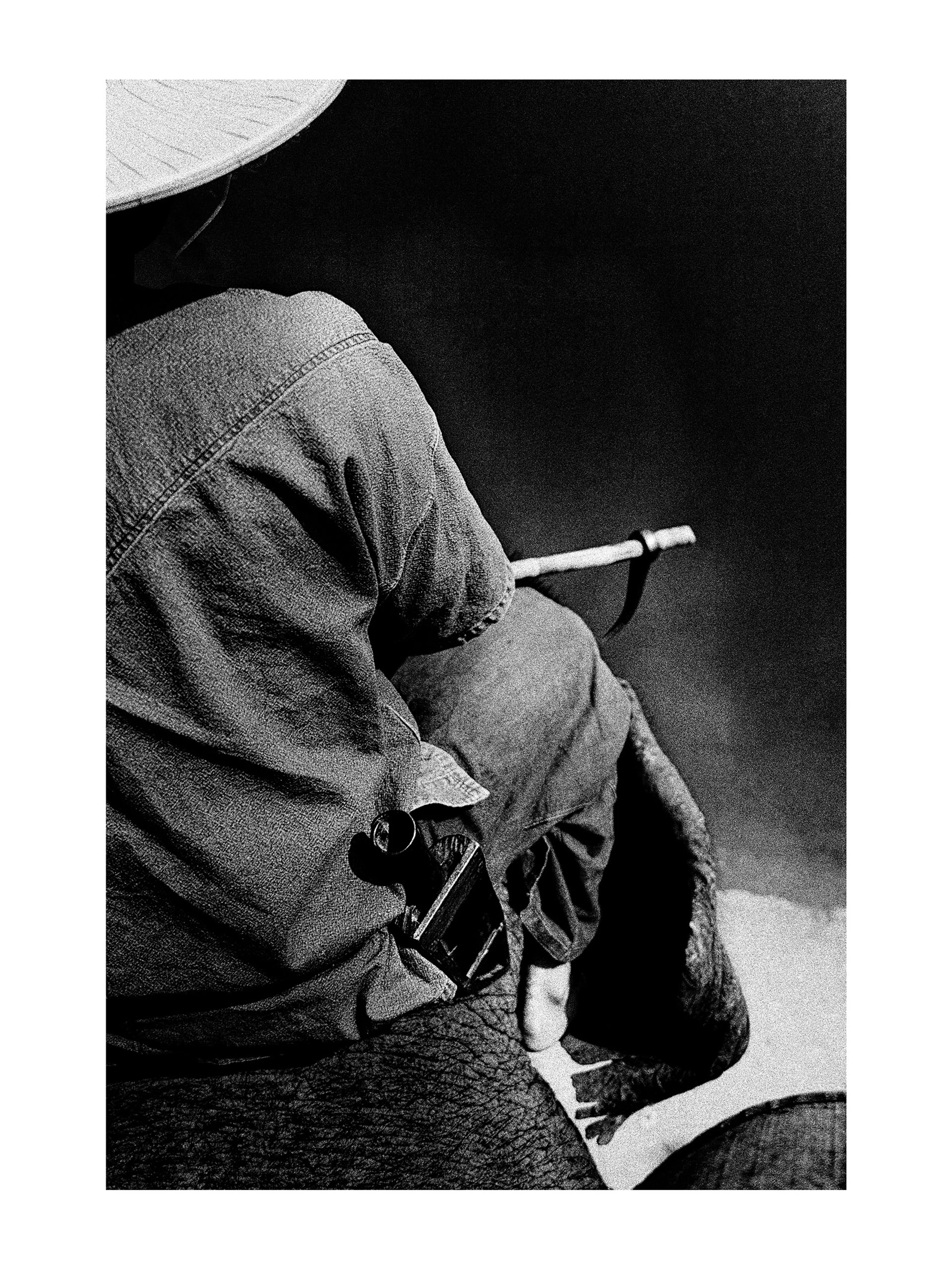
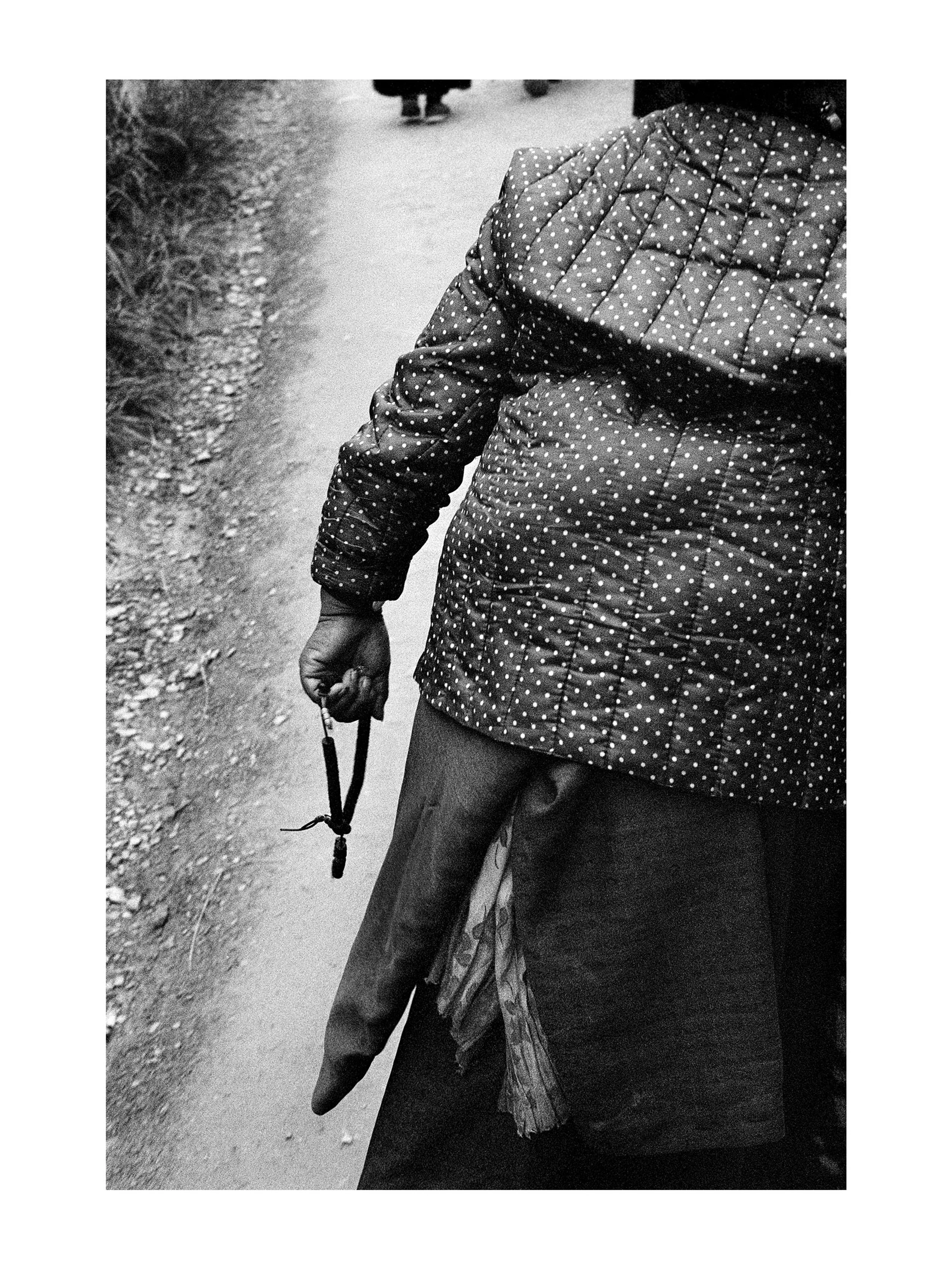
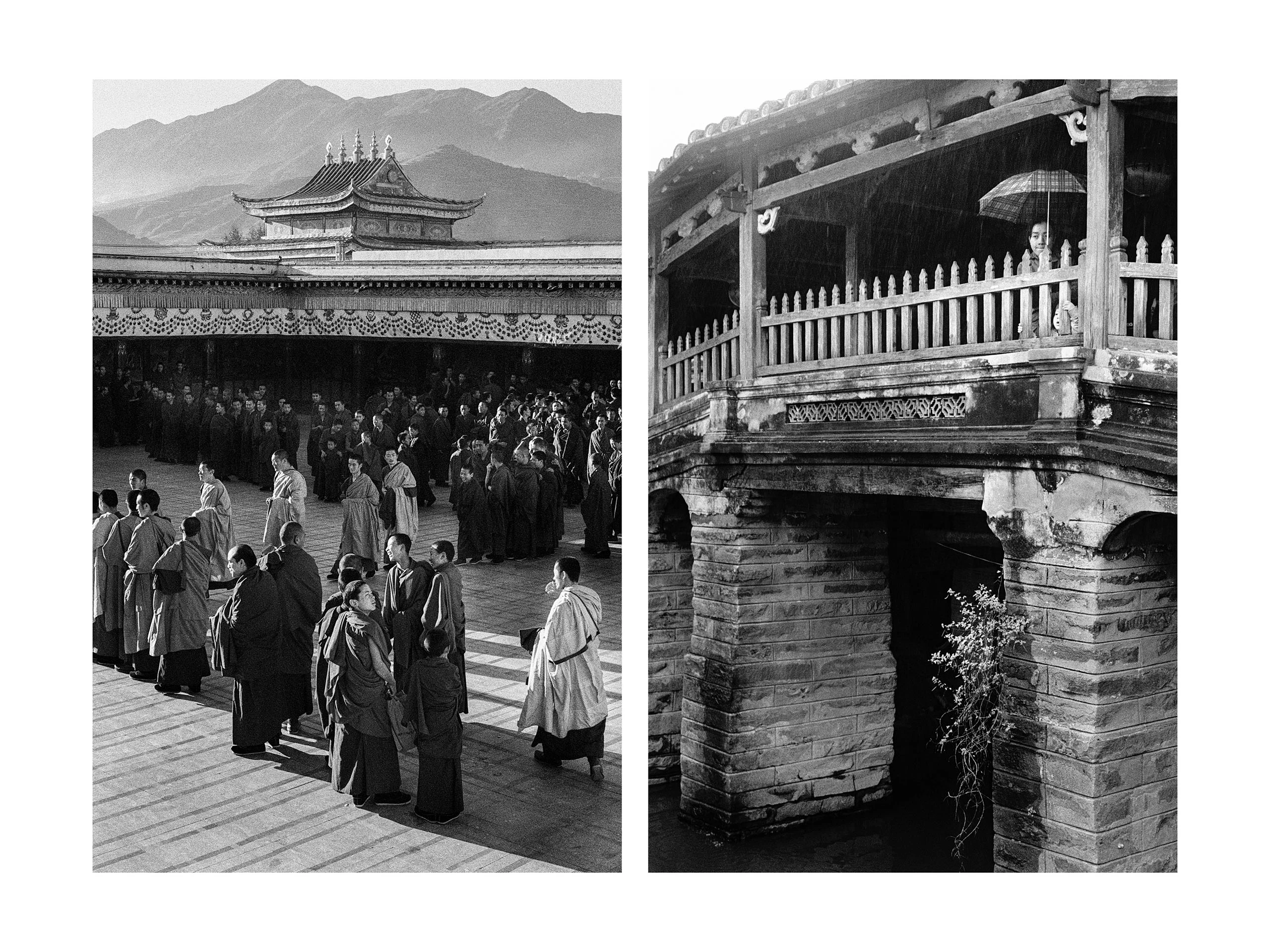
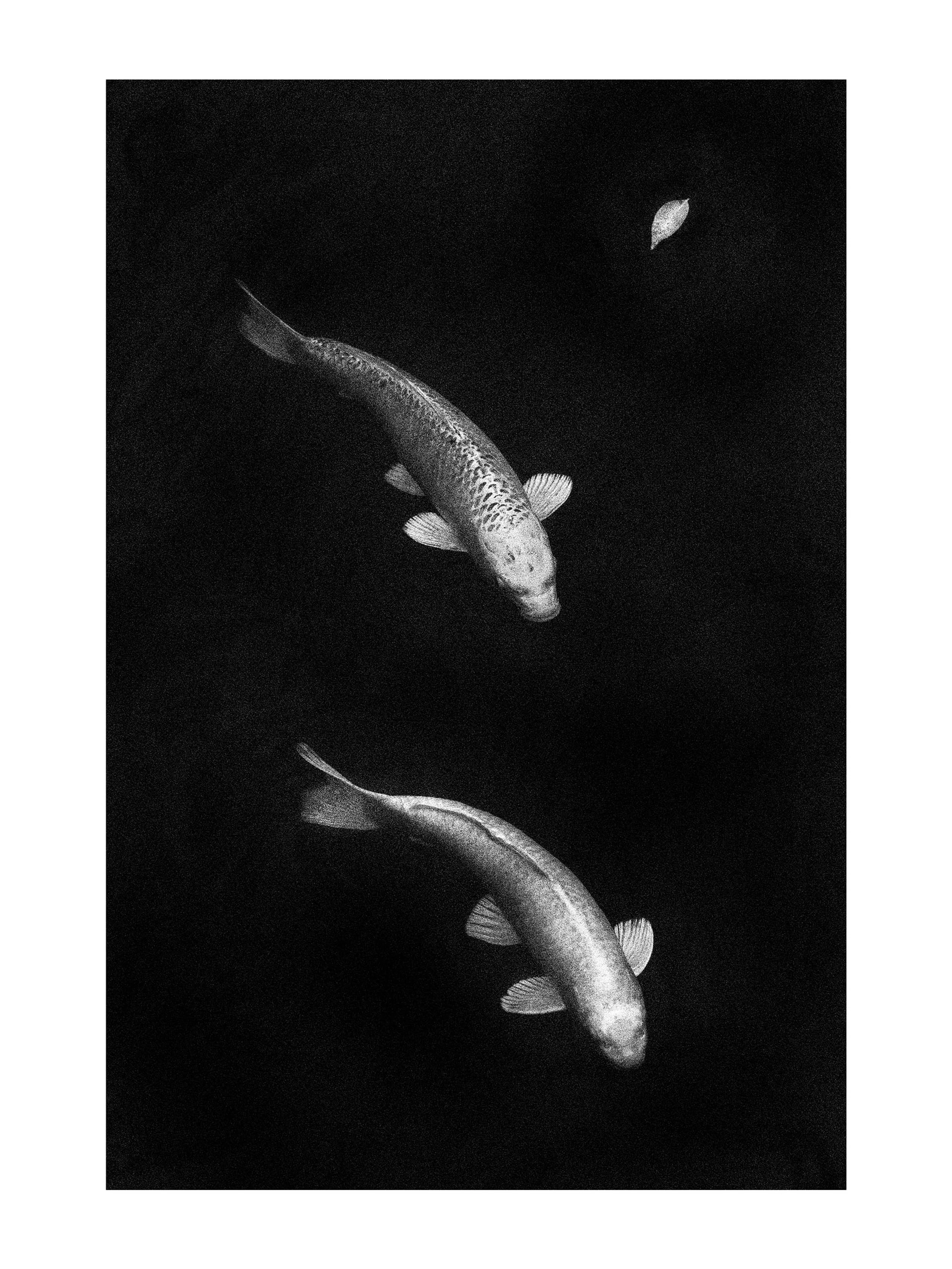
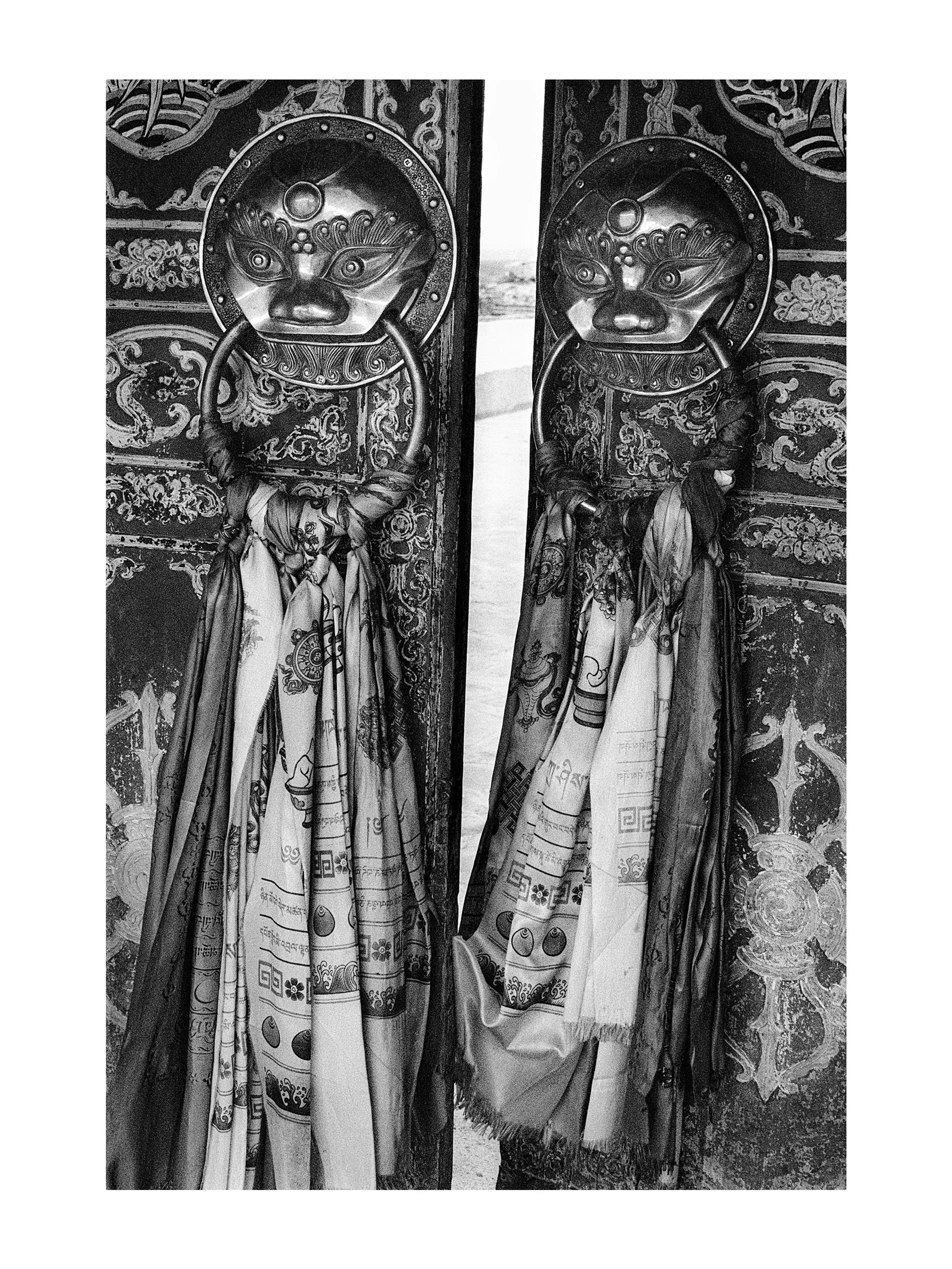
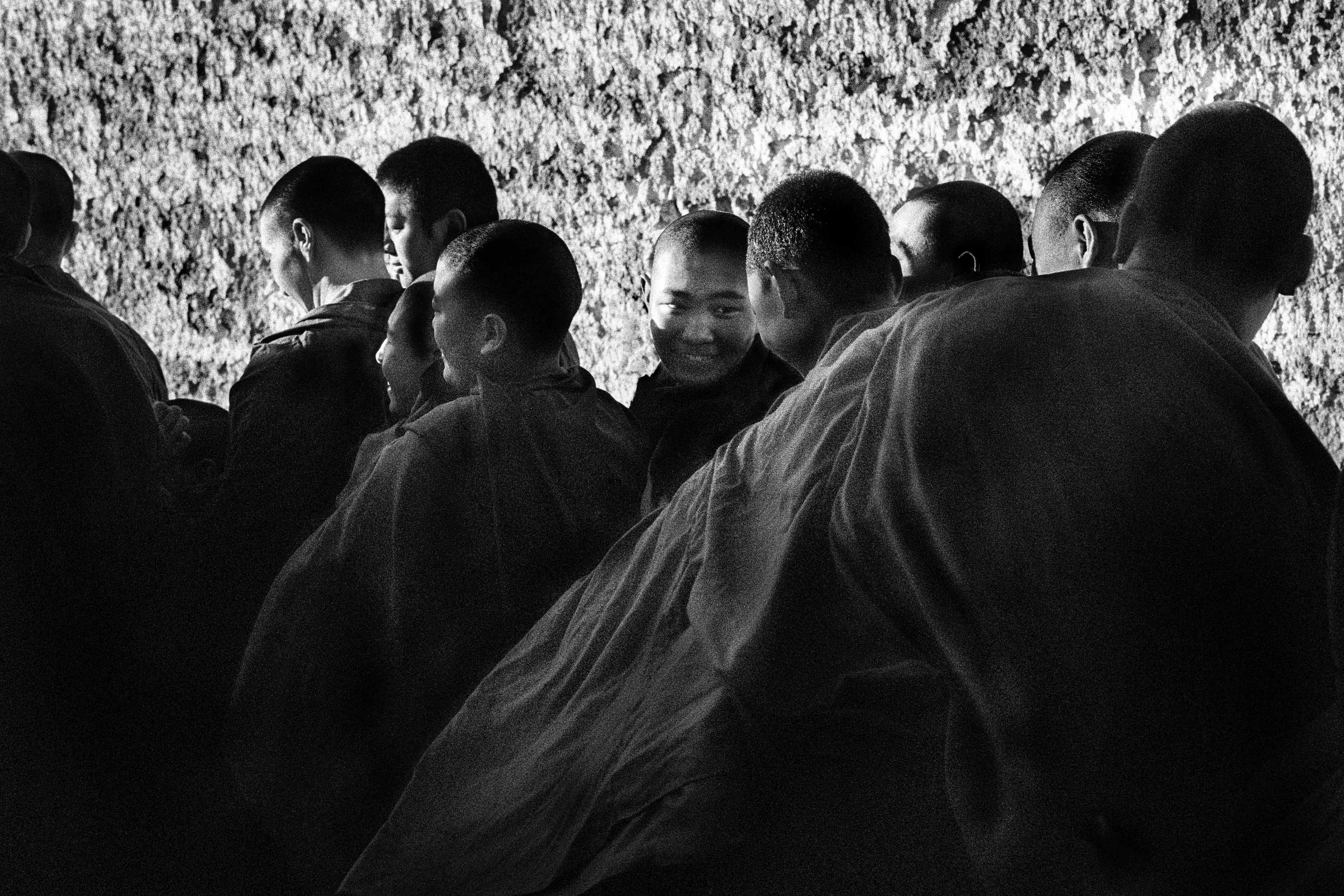
Walking the streets, I’m drawn to where these meanings collide. A monk caught mid-laughter. Children play while time slips past. Ordinary scenes that suddenly feel strange, like looking at the world through water. I work with black and white film because it strips away everything except light and shadow, leaving only what matters.
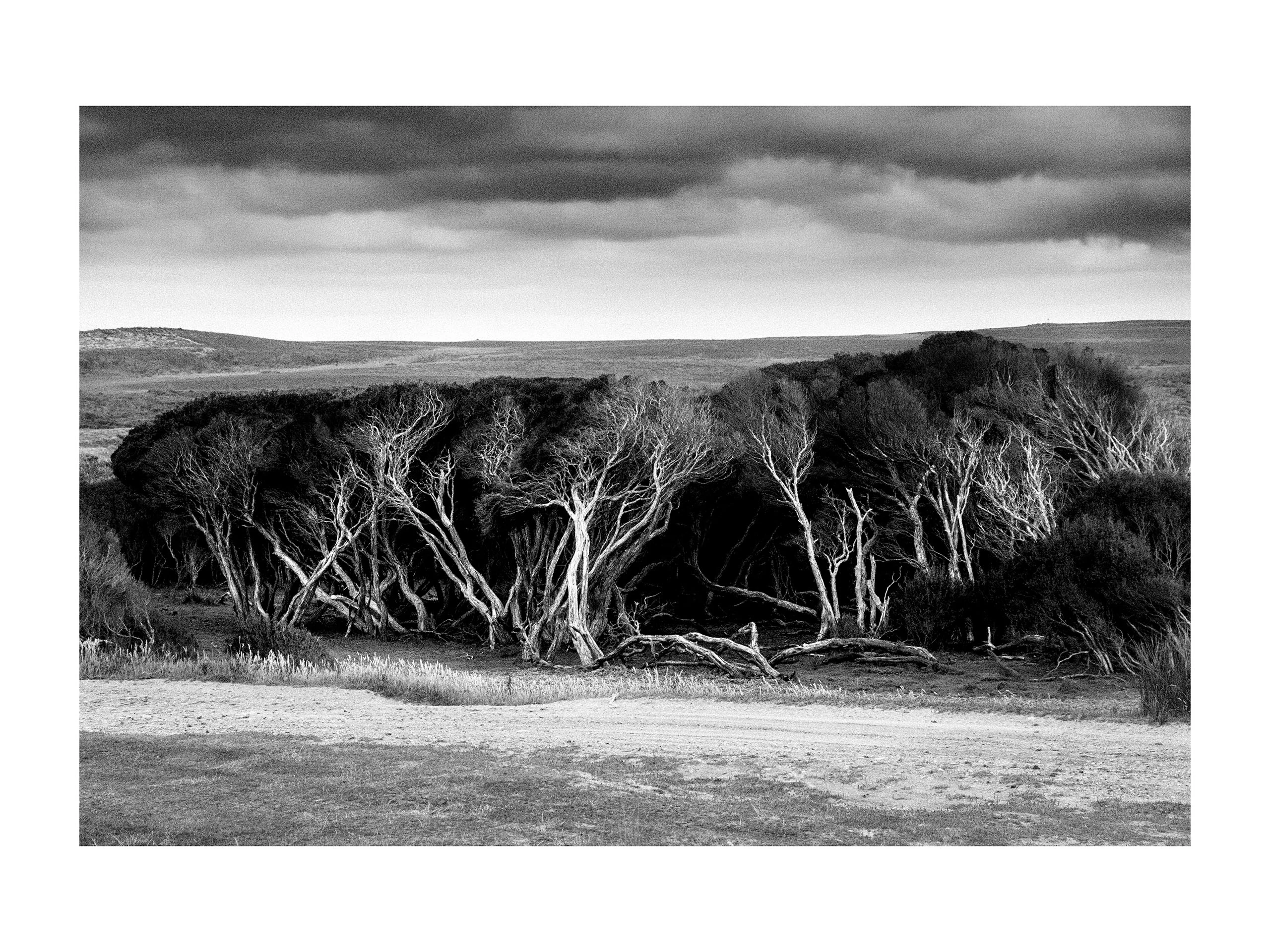
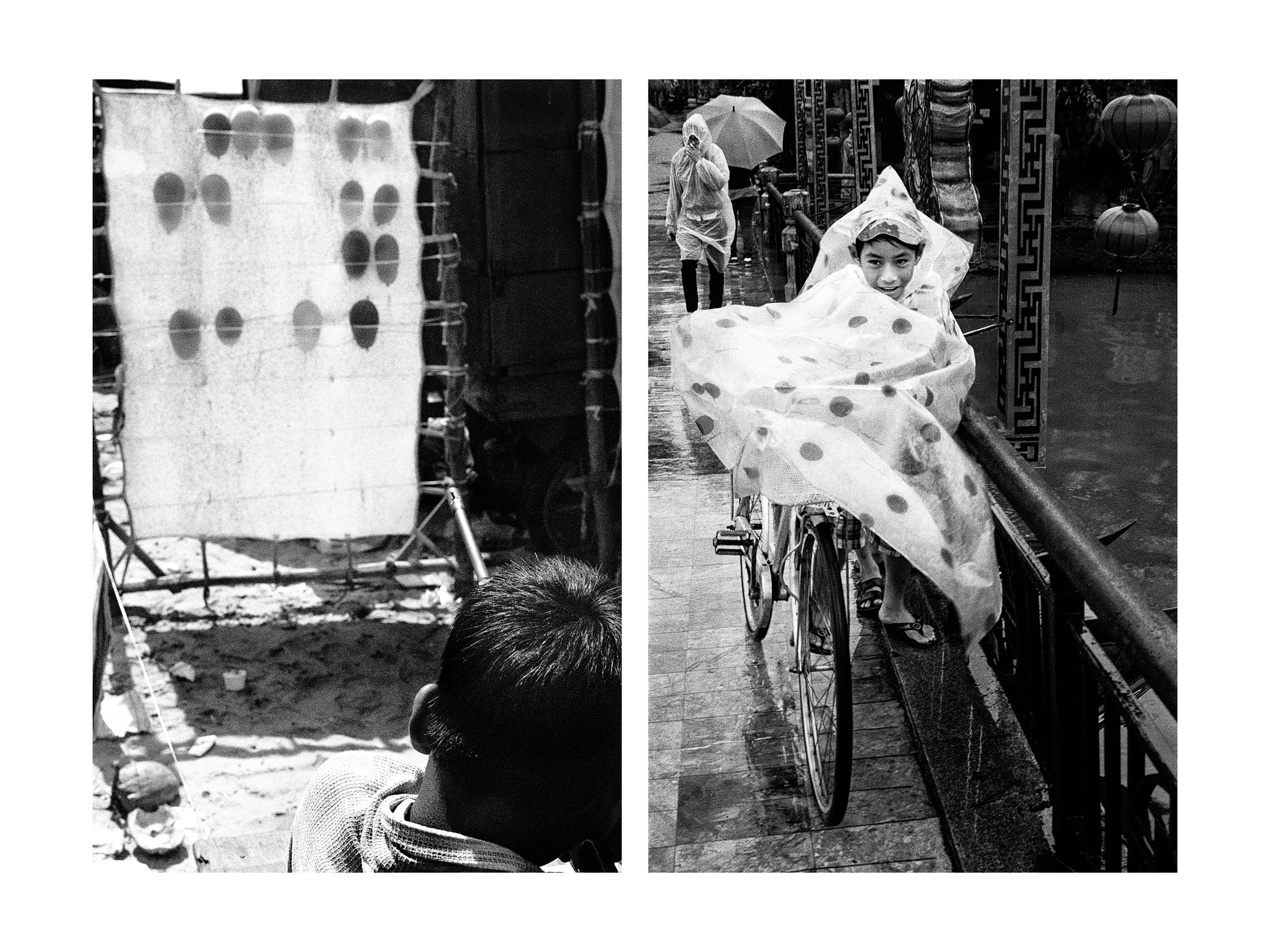
The vertical format feels natural for this work, the way ukiyo-e prints stood tall and narrow. It holds solitude well, that inward gaze. When I turn the camera sideways, the frame opens differently, breathing wider to catch festivals and crowds, the expansive moments of celebration.
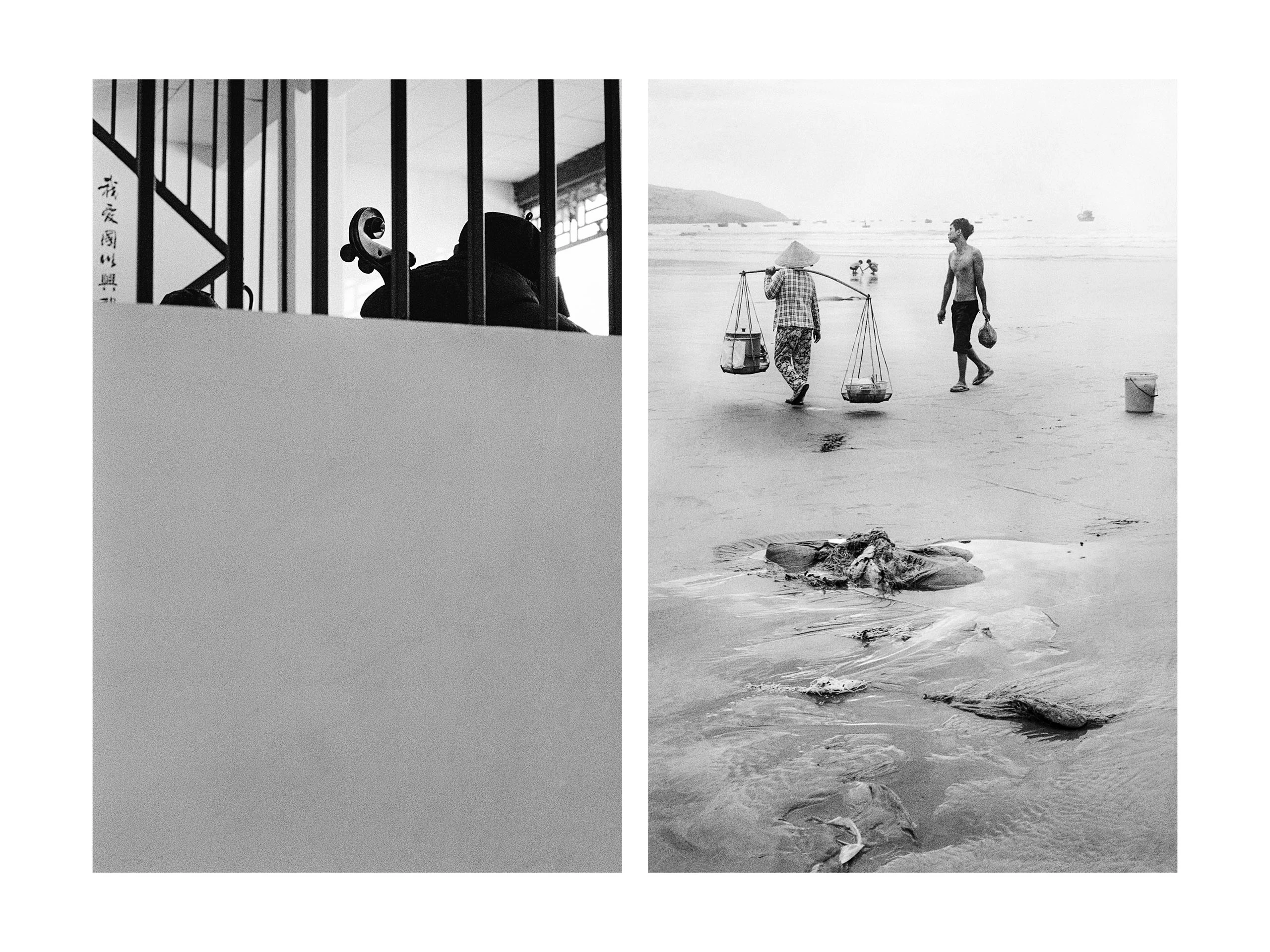
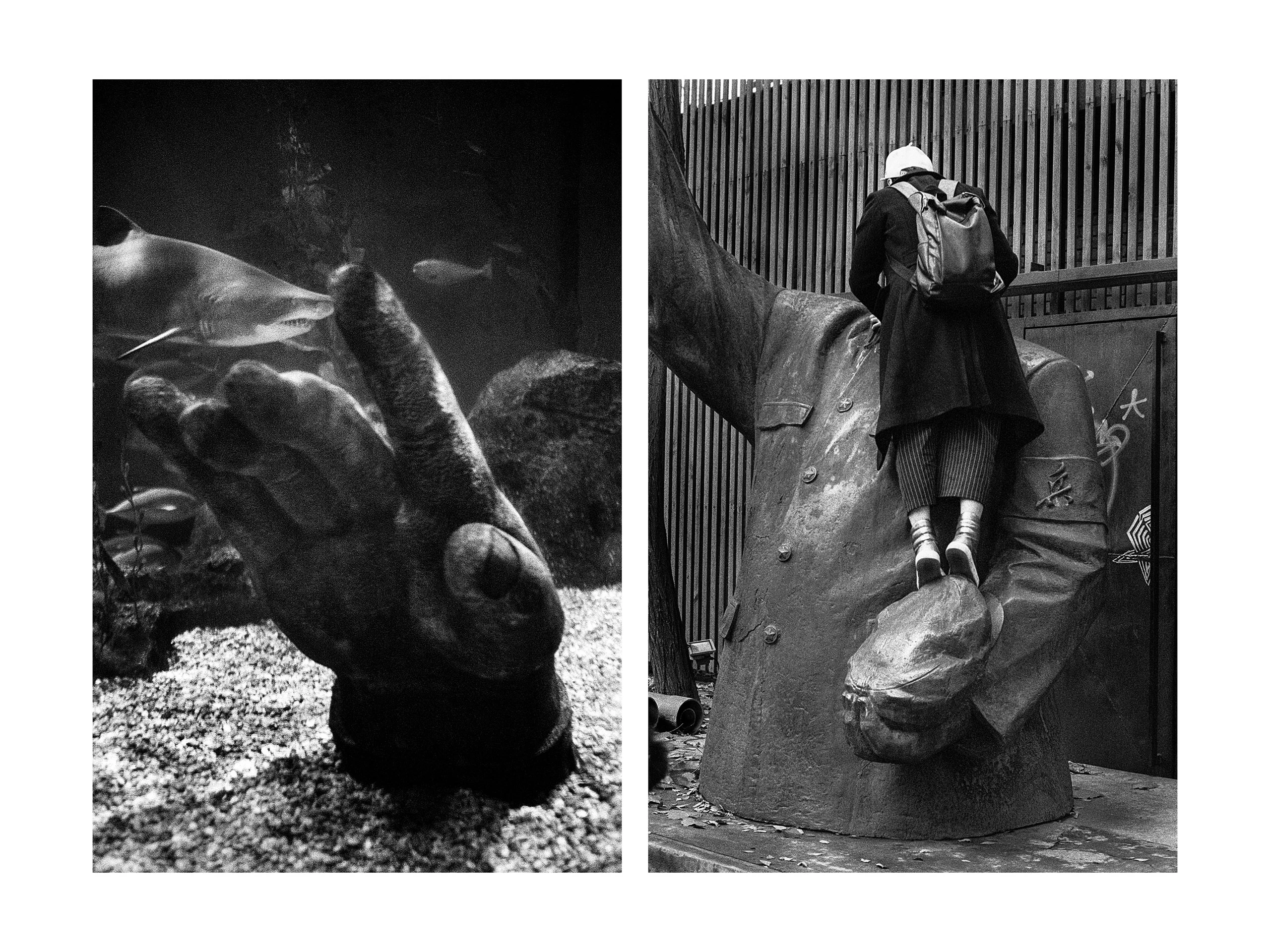
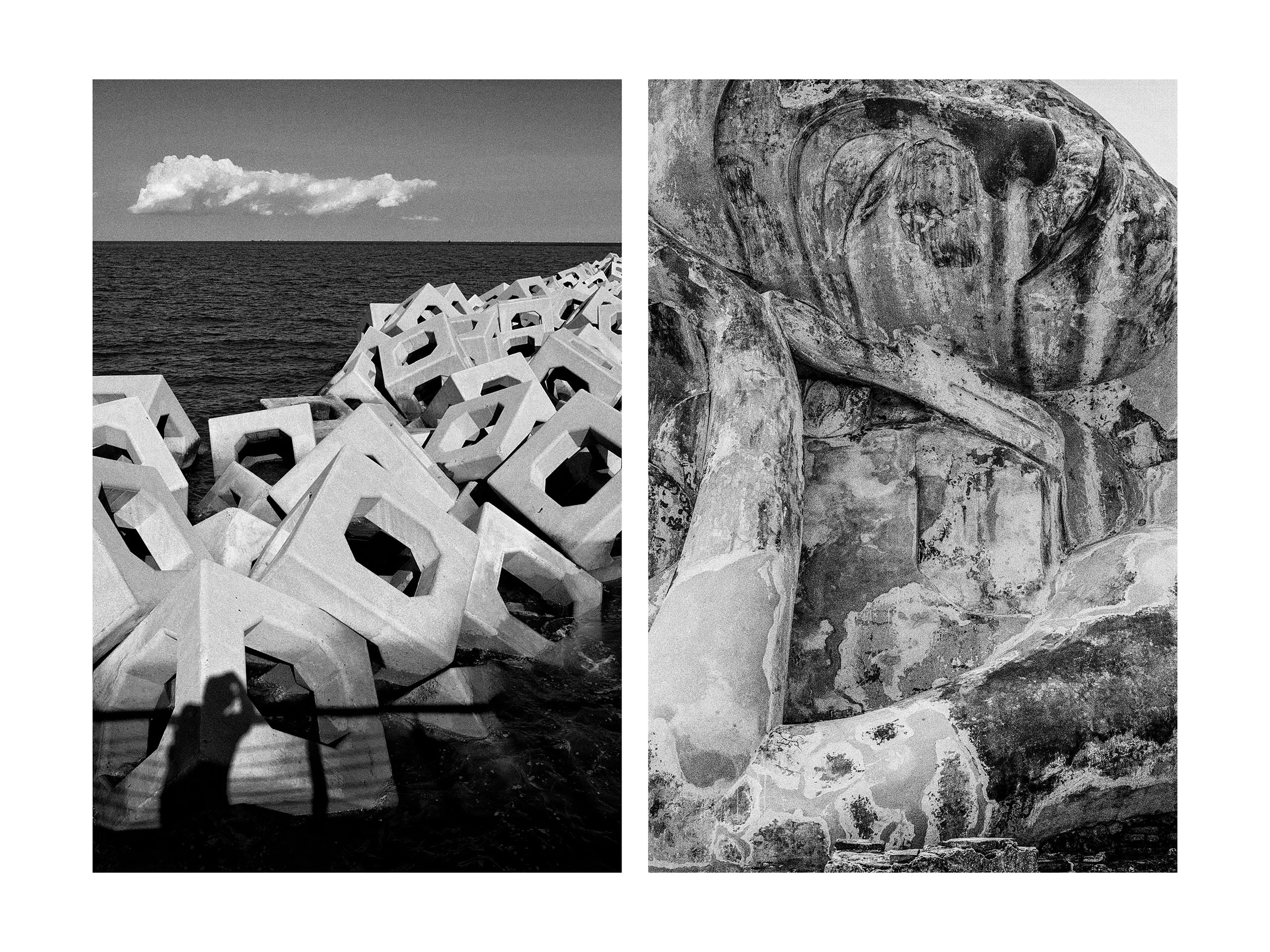
Like the ukiyo-e masters who paired their prints, I find myself placing images in conversation. One answers another. Joy beside longing. Stillness next to movement. What interests me is the space between, where opposing truths live together.
We’re all just floating along, like gourds on a river. These are the moments I’ve grabbed as I drift past.